
Smart Shipping Automation
Shipduo automates UPS shipping from order import to dispatch. Orders can be pulled into Shipduo, shipment details can be pre-filled, and UPS service rules can be applied based on package weight, dimensions, destination, delivery speed, or fulfillment requirements.
The UPS ecommerce integration helps teams process parcel shipments with fewer manual checks, which is especially useful for high-volume fulfillment, batch label creation, domestic shipping, international shipping, and mixed-carrier operations.
For a closer look at parcel-specific workflows, see Shipduo’s small parcel shipping platform for rates, label creation, service rules, returns, and tracking.
Real-Time UPS Rates
- Live Pricing: Retrieve accurate UPS rates based on package weight, dimensions, destination, and service level.
- Multiple Services: Access UPS Ground, 2nd Day Air, Next Day Air, and other available UPS services.
- Dynamic Updates: Refresh rates when package details or delivery information change.
- Checkout Integration: Show live shipping rates at checkout for eligible orders when product data, shipping rules, and connected workflows support it.
- Cost Clarity: Give customers clearer shipping costs while helping your team reduce undercharging or overcharging.
Label Generation & Documentation
Instant Label Creation
Generate UPS shipping labels directly from Shipduo using connected order and package details.
Batch Printing
Print multiple labels at once for faster fulfillment during peak shipping periods.
Pre-Filled Information
Automatically populate labels with customer details, addresses, package data, and service selections.
Barcode-Ready Format
Create labels that support UPS scanner and pickup workflows.
Digital & Paper Options
Print physical labels or download digital copies based on your warehouse process.
Connected Shipping Data
Shipduo supports API-based shipping workflows for teams that need UPS labels, package data, service selection, and carrier activity connected across fulfillment systems.
Flexible Service Options
Shipduo supports multiple UPS services, including Ground, 2nd Day Air, Next Day Air, international parcel services, insurance, and signature confirmation where available. Teams can assign services per order based on cost, delivery speed, destination, package type, customer expectations, and fulfillment rules.
For operations that use several parcel carriers, Shipduo works as a small parcel shipping platform that keeps UPS services available alongside other shipping options.
Returns & Reverse Logistics
Simplified Return
LabelsGenerate UPS return labels for eligible returns without rebuilding the shipment manually.
Track Returns Easily
Monitor returned packages inside Shipduo and keep return activity tied to the related order.
Pre-Filled Customer Info
Use existing customer and order details to reduce errors during return label creation.
Automated Workflows
Reduce manual steps across return shipping, reverse logistics, and refund coordination.
Smoother Return Visibility
The UPS tracking integration helps teams track return shipments and customer delivery history within the same connected workflow.
Cost Management & Profitability
Accurate UPS Rate Display
Show more accurate UPS shipping costs during checkout and fulfillment.
Profit Margin Control
Reduce surprise shipping costs that can cut into margins on parcel orders.
Dynamic Rate Updates
Reflect changes in weight, dimensions, destination, or selected UPS service.
Shipping Spend Insights
Analyze UPS shipping costs to improve parcel service selection, budget planning, and operational decisions.
Customer Transparency
Use shipment tracking updates to keep customers and support teams informed after dispatch.
Connected Parcel Operations
Use Shipduo as a UPS shipping platform to manage UPS rates, labels, services, tracking, returns, and shipping rules in one workflow.
Frequently Asked Questions About UPS
Get answers to common questions about using UPS with Shipduo for rates, labels, tracking, returns, service options, and parcel fulfillment workflows.
Shipduo can help teams select UPS services based on package weight, dimensions, destination, and delivery urgency. For freight-size shipments, teams can also manage separate LTL workflows through supported freight carriers.
Shipduo helps keep UPS tracking and delivery status tied to the order, so fulfillment and support teams can review delays, failed delivery attempts, address issues, and other exceptions more easily.
Yes. Shipduo can help teams offer multiple UPS service levels based on available services, package details, delivery address, shipping rules, and checkout configuration.
Shipduo can support UPS international shipping workflows by keeping destination details, package information, service selection, labels, and tracking connected to the order.
Yes. Shipduo can help teams connect UPS, configure shipping rules, review order data, and prepare workflows for everyday parcel fulfillment.
The UPS API integration helps connect rates, label creation, shipment details, service selection, and tracking activity with the order workflows your team uses for fulfillment.
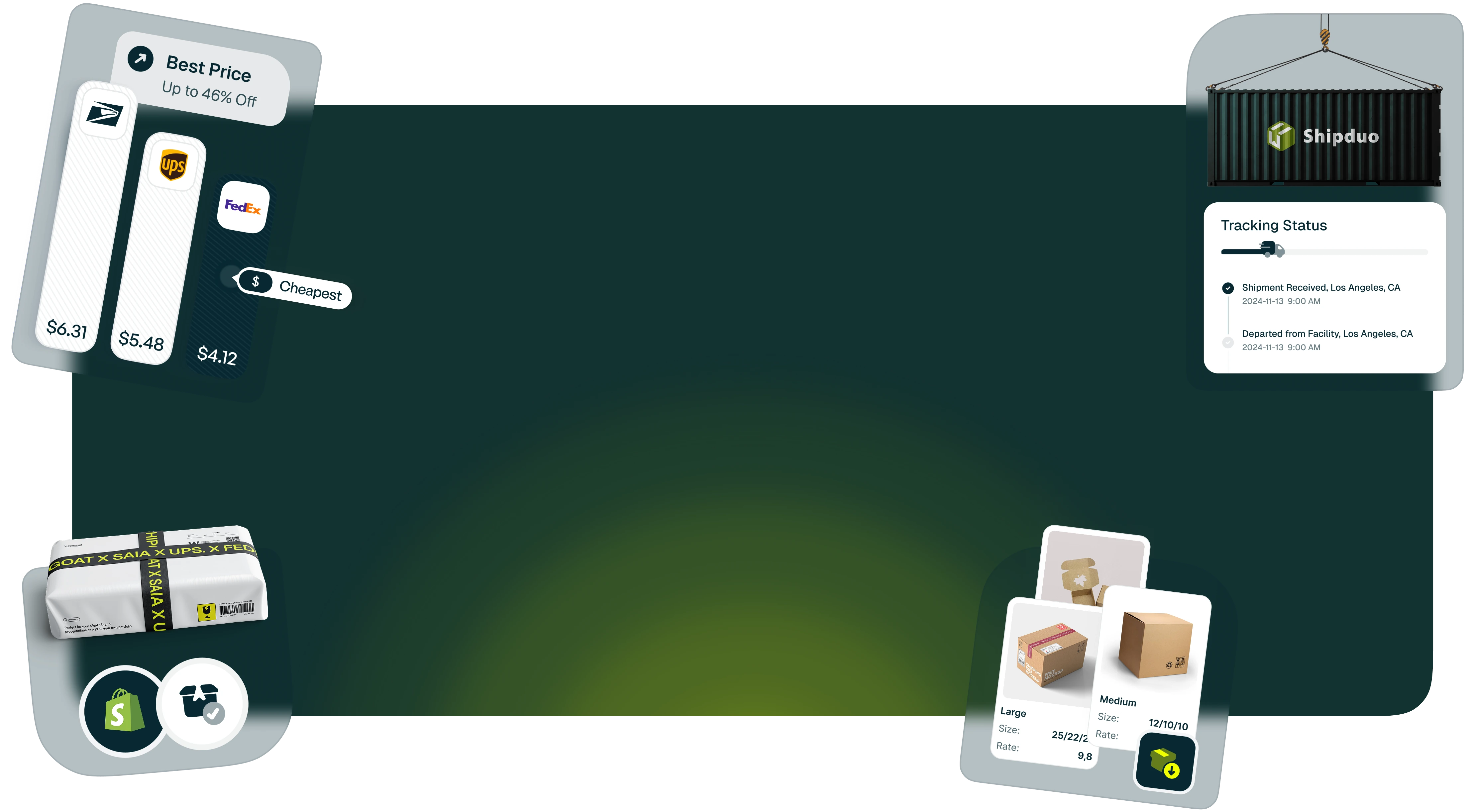

The fastest way to ship smarter starts here
Join Shipduo brands delivering more for less, every time
Get Started