Parcel Shipping Surcharges for Bulky Ecommerce Orders
Shipping Costs & Rates
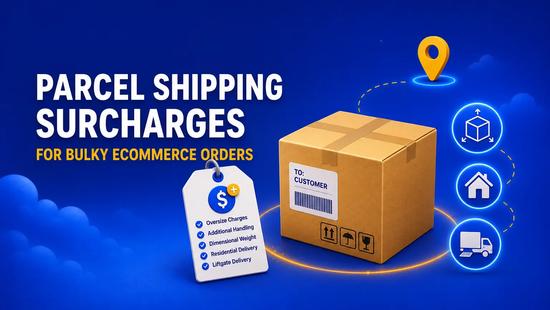
Bulky ecommerce orders can look profitable at checkout and lose margin after the carrier invoice arrives. The base parcel rate covers only part of the cost. Package size, weight, shape, destination, address type, fuel, demand periods, and handling rules can all add charges after rating or shipment processing.
For ecommerce teams, parcel shipping surcharges need to be managed before the label is created. A product that ships in a large carton, irregular package, long box, or heavy parcel can trigger fees that standard rate tables miss. That cost pressure grows quickly for furniture, home goods, fitness products, commercial equipment, automotive parts, appliances, and other large catalog items.
Shipduo helps teams connect product data, package rules, carrier comparison, labels, tracking, and freight options so bulky orders are priced and shipped with better control.
Why Parcel Shipping Surcharges Appear on Bulky Orders
Parcel shipping surcharges are additional charges tied to shipment characteristics beyond the base transportation rate. They can apply because of package dimensions, weight, delivery area, residential address type, fuel, carrier demand, address correction, special handling, or other service conditions.
Bulky orders are more likely to create surcharge exposure because they use more carrier network space and often require more handling. Large cartons, long packages, and heavier boxes can move outside the easiest automated parcel path. Carrier networks price those conditions separately because they affect capacity, labor, and delivery execution.
Surcharge control starts with accurate shipment data. Product weight alone is not enough for bulky ecommerce orders. The rate needs the packed dimensions, package count, destination, service level, and carrier rules that apply to the actual shipment.
Parcel Surcharges for Bulky Orders Start With Dimensions
Parcel surcharges for bulky orders often begin with box length, width, height, and dimensional weight. Carriers measure the outer package, not the product itself. Extra void fill, oversized cartons, and inefficient packaging can raise the rated size even when the product weight stays the same.
Dimensional weight converts package volume into a billable weight. The carrier compares that figure with the actual scale weight and bills using the higher value. For bulky products, this can raise the cost before any separate surcharge is applied.
Package dimensions can also move a shipment into nonstandard handling or large-package categories. A narrow increase in one dimension may change the service path, surcharge profile, or carrier eligibility. That is why ecommerce teams need package rules that reflect the box used by the warehouse, as well as the product dimensions stored in the catalog.
Oversized Parcel Surcharge Triggers
An oversized parcel surcharge may apply when a package exceeds carrier size thresholds for length, girth, or combined measurements. The exact threshold and fee depend on the carrier, service, and current rate guide.
Oversized parcels create operational pressure because they take more space and often need extra handling. The package may still move through a parcel network, but the cost can be much higher than a standard parcel with the same destination and service level.
The best control is a product-level packaging review. Teams should identify items that are close to carrier size limits, measure the final packed carton, and compare carrier options before setting checkout rates. When the packed order no longer fits parcel rules well, less-than-truckload freight may create a cleaner delivery path.
Additional Handling Surcharge and Manual Movement
An additional handling surcharge is often tied to package weight, dimensions, shape, packaging type, or handling conditions. The exact rules vary by carrier, but the business impact is the same: the shipment costs more because it requires more work than a standard parcel.
Bulky ecommerce products can trigger this charge when the carton is long, heavy, unstable, irregular, or difficult for automated systems to process. Poor packaging can make the problem worse. Straps, exposed product surfaces, weak cartons, round shapes, and shifting contents can all increase carrier handling concerns.
The fix is not always a smaller box. The package still needs to protect the product and meet carrier requirements. A better approach connects packaging design, product risk, dimensional weight, and surcharge exposure before the shipment reaches the label step.
Parcel Fees for Oversized Packages Affect Checkout Accuracy
Parcel fees for oversized packages create a gap between the rate shown at checkout and the amount charged after shipment. That gap is difficult to manage when the store uses static rates or broad product groups.
Checkout pricing should reflect the package that will actually ship. If a bulky order is rated as a standard parcel and later billed as an oversized or additional-handling package, the margin loss appears after the customer has already paid.
Shipduo helps ecommerce teams improve small parcel shipping by keeping rates, labels, package data, carrier selection, and tracking connected to the order. That structure gives teams a better way to compare parcel services before shipment and identify orders that need freight review.
Carrier Comparison Helps Reduce Surcharge Exposure
Carrier rules are not identical. A package that creates a surcharge with one carrier may price differently with another carrier, depending on service, zone, size, weight, and account terms. Ecommerce teams shipping bulky products need a way to compare the total shipment cost, including the base rate and likely fees.
Shipduo connects carrier options so teams can review cost, service level, and delivery fit from the order record. For teams using FedEx, Shipduo’s FedEx integration supports rates, labels, service options, and tracking from one dashboard. That gives operations a cleaner way to evaluate FedEx Parcel services alongside other connected carriers.
Carrier comparison is useful when orders are close to size or handling thresholds. The team can choose a service that better fits the package, rather than discovering the surcharge only through an invoice review.
Packaging Rules Are Part of Surcharge Control
Packaging decisions directly affect parcel shipping surcharges. Overly large cartons raise dimensional weight. Weak cartons increase the risk of damage and returns. Irregular packaging can create handling charges. A package that exceeds carrier thresholds may need freight instead of a parcel.
A strong packaging process uses actual packed dimensions and repeatable carton rules. The warehouse should not choose a box that changes the rate profile from the one used at checkout. Product data, carton selection, and shipping rules need to support the same shipment plan.
Packaging review should focus on products with high surcharge frequency, large invoice adjustments, damage claims, or frequent manual decisions. Those products usually show where box size, protection level, or carrier selection needs improvement.
When Bulky Ecommerce Shipping Should Move to Freight
Parcel is not always the best path for large ecommerce orders. Heavy, oversized, fragile, palletized, or multi-carton shipments can cost less and move with better control through freight. The right decision depends on packed dimensions, weight, destination, service requirements, and product risk.
Shipduo supports bulky ecommerce shipping by keeping parcel and freight options closer to the order workflow. When a bulky shipment no longer fits well with parcel service, teams can review freight options, booking, documents, and tracking without turning the order into a separate manual project.
Moving the right shipments to freight can reduce avoidable parcel surcharges and provide a more suitable handling path for the delivery. That is especially useful for large furniture, equipment, appliances, commercial goods, and heavy home products.
Residential and Delivery Area Charges Need Review
Bulky parcel orders often ship to homes, apartments, rural addresses, and delivery areas, which can incur additional charges. Residential delivery, extended delivery areas, remote service areas, fuel, and demand periods can all affect final parcel cost.
These charges are not caused by package size alone, but bulky orders make the cost impact more noticeable. A heavy box sent to a remote residential address can carry a surcharge profile very different from a similar order sent to a commercial receiving location.
Address type and destination rules should be included in the rate process. Accurate address data, carrier service selection, and customer-facing delivery options all support better checkout pricing and fewer post-shipment surprises.
Track Surcharges After Shipment
Surcharge control does not end once the label is printed. Carrier invoices can reveal patterns that are hard to see at the order level. Repeated additional handling charges, oversize fees, residential corrections, address corrections, and demand surcharges can point to weak product data or poor packaging rules.
Teams should review surcharge data by product group, carrier, service level, destination type, and package size. That review can show which products need packaging changes, which services create recurring cost pressure, and which checkout rules need adjustment.
Shipduo gives teams clearer shipment visibility by keeping carrier activity and tracking tied to each order. When surcharge review is connected with order and package data, teams can make better decisions about packaging, carrier selection, and freight routing.
Build Surcharge Control Into the Shipping Workflow
Parcel surcharges are easier to manage when the workflow uses accurate package data before checkout and label creation. Product dimensions, packed weight, carton rules, destination type, service level, and carrier limits should guide the rate and shipment path.
For bulky ecommerce orders, surcharge control should be part of daily shipping execution. The goal is to predict applicable fees, price the order more accurately, and route the shipment through the service that best fits the package.
Shipduo helps ecommerce teams manage rates, labels, carrier comparisons, tracking, and freight decisions in a single connected workflow. With better package data and clearer carrier options, bulky orders can move with fewer rate surprises and stronger cost control.