How LTL Freight Rates Work at Ecommerce Checkout
Freight & LTL Shipping
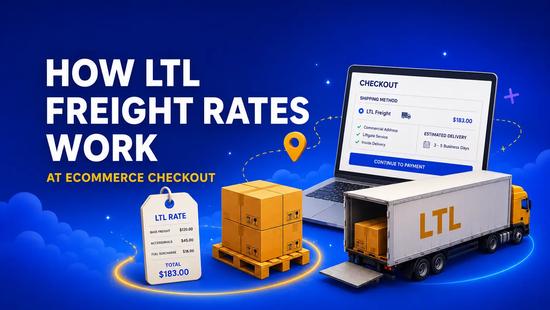
Less-than-truckload (LTL) freight can turn checkout into a difficult pricing step for ecommerce brands. Parcel rates are usually easier to quote because package size, service level, and address type follow a familiar structure. LTL freight adds more variables before the customer completes the order.
A single order can include one oversized product, several heavy items, or a mix of parcel-ready goods and freight-ready goods. The destination and receiving conditions also shape the quote, especially when the shipment needs liftgate service, an appointment, or clear delivery instructions. Each detail can change the rate shown at checkout and the amount the carrier charges after pickup.
Shipduo helps ecommerce teams connect product data, freight rules, carrier rates, checkout display, booking, documents, and tracking. That connection makes LTL pricing easier to manage before the order reaches the warehouse.
How LTL Freight Rates Work at Checkout
LTL freight rates at checkout begin with the cart. The shipping workflow needs to identify which products require freight, which products can ship by parcel, and which orders need a combined approach. That decision should happen before the customer sees delivery options.
Once an order qualifies for freight, the rate needs shipment-level detail. The system should know the origin, destination, weight, dimensions, handling units, pallet count, freight class, delivery type, and service requirements. It also needs access to carrier rates or connected carrier accounts.
The checkout rate is then built from available carrier options that match the shipment. A clean workflow can show the customer a freight option that reflects the order profile instead of a generic flat rate. After purchase, the same shipment data should support booking, the bill of lading (BOL), tracking, and customer updates.
How Freight Rates Are Calculated at Checkout
Freight rates are calculated at checkout by matching order data with carrier rating inputs. The strongest setup uses actual product and packaging data instead of broad estimates.
The rate calculation usually includes:
- Origin and destination
- Total shipment weight
- Packed dimensions
- Handling units and pallet count
- Freight class or product classification
- Residential or commercial delivery
- Liftgate, appointment, or limited-access service
- Carrier account rates and service availability
- Fuel and other carrier charges
The checkout system should gather these inputs without asking the customer to solve freight details. Product data, shipping rules, address classification, and carrier connections should do most of the work.
Shipduo supports real-time checkout rates, allowing brands to show clearer freight options before the order is placed. For bulky or heavy products, that accuracy protects margin and reduces the need for manual quotes after checkout.
What Affects LTL Freight Rates at Checkout
Several freight inputs can change the rate before a customer pays. Weight and dimensions shape capacity needs. Freight class relates to handling, density, stowability, and liability. Distance and lane affect carrier availability and linehaul costs. Address type changes delivery planning. Added services can change the total price.
The most common cost shifts come from incomplete shipment data. A product may have a stored unit weight, but the packed shipment needs pallet weight, carton count, and final dimensions. A business address may still need delivery notes or limited-access handling. A residential delivery may require liftgate service or appointment scheduling.
Factors that affect LTL freight rates at checkout should be controlled as early as possible. The product catalog, packaging rules, and delivery logic need enough detail to generate a rate the business can trust.
Freight Class and Product Data Need Close Alignment
Freight class plays a large role in many LTL quotes. In the United States, freight class is tied to National Motor Freight Classification (NMFC) standards. Classification can consider density, handling, stowability, and liability. A lower-density or fragile product can rate differently from a dense and durable product with the same scale weight.
Ecommerce teams should keep freight-related product data at the stock-keeping unit (SKU) level. That includes packed dimensions, weight, NMFC details when available, packaging type, pallet rules, and freight eligibility. When that data is missing, checkout often depends on a fallback rate or a manual review.
Good product data reduces friction after checkout. The team can prepare the shipment faster, create a more accurate BOL, and lower the chance of reclassification or billing adjustments.
Accessorial Services Should Be Part of Checkout Logic
LTL carriers often charge for added services beyond standard dock-to-dock movement. Liftgate delivery, residential delivery, appointment scheduling, limited access, notification calls, and special handling can affect the final rate.
These services should be part of the checkout logic when the order and destination require them. Hiding freight service costs until after purchase creates margin pressure and customer frustration. Overusing accessorials can make the rate too high and weaken conversion.
A balanced workflow uses address type, product rules, customer input, and carrier data to decide which services belong in the checkout rate. The customer sees a clearer delivery cost, and the operations team receives better shipment instructions after the order is placed.
Parcel, Freight, and Mixed Cart Decisions
Many ecommerce catalogs contain products that cross shipping modes. Small accessories can be shipped by parcel. Larger items may need LTL freight. Mixed carts may require split handling, especially when one item requires freight while the rest can move through parcel service.
LTL checkout logic should identify freight eligibility at the item or order level. The system should also decide when to split shipments, combine items, or route the full order through freight. This protects the customer experience and gives fulfillment a clear path after purchase.
LTL shipping is often a better fit for furniture, appliances, automotive parts, commercial equipment, building materials, gym equipment, and other large products. Shipduo supports LTL shipping for large products by keeping rate comparison, booking, documents, and tracking connected to the order.
Carrier Rate Comparison at Checkout
Carrier comparison is important because LTL rates can vary by lane, shipment profile, account rate, and service option. A carrier that works well for one product category or region may be less suitable for another order.
Shipduo helps teams compare freight options without moving between carrier portals. When SAIA is part of the carrier mix, Shipduo’s SAIA LTL shipping integration can bring negotiated rates, shipment details, booking, and tracking into the same checkout and fulfillment process. Teams that use XPO can also review XPO freight quotes as part of a freight carrier comparison before booking eligible orders.
Carrier choice should reflect total shipment needs, not rate alone. Service coverage, pickup reliability, tracking quality, residential delivery support, and exception handling all affect the ecommerce experience after checkout.
Bulky Goods Shipping Needs Freight-Ready Checkout Rules
LTL checkout rates are especially useful for bulky goods shipping because large products often create cost differences that static shipping tables cannot handle. A flat rate may work for simple orders, but it can undercharge on heavy residential shipments and overcharge on easier commercial freight deliveries.
A freight-ready checkout workflow uses product dimensions, shipment weight, destination type, carrier rules, and required services to build a better rate before purchase. The same data should then follow the order into booking and tracking.
This reduces the gap between the rate shown to the customer and the rate used for the shipment prepared by the warehouse. It also gives support teams a cleaner record when a customer asks about delivery timing or freight status.
Rate Accuracy Does Not End at Checkout
Checkout accuracy is important, but the final carrier invoice can still change when shipment data is wrong or the delivery requires services that were not included. Reweighs, reclassifications, address corrections, added accessorials, and missed delivery appointments can all create added cost.
The strongest control is a connected workflow. Product data should match the packed shipment. The BOL should match the order. Delivery services should match the destination. Tracking should remain tied to the customer record.
Shipduo gives teams a clearer way to manage that process. Rates, booking, documents, and tracking can stay connected, reducing manual review and giving the business better visibility into freight performance.
How Ecommerce Teams Can Improve LTL Checkout Rates
Improving LTL checkout rates starts with better data. Product records should include freight-ready dimensions, weight, and packaging rules. The shipping workflow should identify when freight applies and which accessorial services are likely needed.
Checkout should avoid vague delivery options. Customers need a rate and service path that reflect the order. For large products, that may include freight delivery terms, contact requirements, delivery expectations, and post-purchase tracking.
Teams should also review freight adjustments over time. Reclassification, reweigh, residential corrections, liftgate additions, and appointment changes can reveal gaps in product data or checkout logic. Those insights help refine rules before the next order.
Turn LTL Rating Into a Connected Checkout Workflow
LTL freight rates at checkout work best when they are built from the same data used for booking and fulfillment. Product dimensions, shipment weight, freight class, destination type, carrier account rates, and delivery services should stay connected from cart to carrier pickup.
Shipduo helps ecommerce teams bring those steps together. The platform supports rate comparison, real-time checkout rates, freight booking, documents, labels, and tracking, giving teams a more reliable process for large and heavy orders.
For brands selling bulky products, freight pricing should not depend on after-order emails or manual carrier checks. A stronger checkout workflow gives customers clearer costs, protects margins, and provides operations with the shipment details needed to move freight orders with greater confidence.